If You Miss Harry Potter’s Magic But Can’t Handle 800-Page Tomes, These Books Actually Deliver
Look, if you're here, you already have great taste. Let's find you something worthy.
I wasn't a reader until my cousin shoved Goblet of Fire in my hands on a road trip. Read the whole thing in one sitting. Then went back and read the first three in a week. Books literally changed my personality. One minute I was scrolling on my phone, the next I was the kid who stayed up past midnight because “just one more chapter” turned into four.
That same itch hits hard when people type “books like The School for Good and Evil.” They’re not chasing literary masterpieces or 700-page lore bibles. They want that quick, addictive pull—the school halls, the rivalries, the found-family warmth, and the feeling that destiny might actually be negotiable. HP fans who don’t normally read a lot just want to slip back into magic without the homework.
I’ve pulled together the exact list that scratches that itch. Ten books that keep the momentum high, the world-building light, and the emotional payoff real. Number three on this list is a 2026 standout that feels tailor-made for exactly this crowd: Amelia Moon and the Sundance Shadow by R.J. Roark. It’s got the school vibe, the moral gray areas, and a protagonist who reminds me why I fell for these stories in the first place.
Why The School for Good and Evil Hits Different for Casual HP Fans
The School for Good and Evil works because it doesn’t ask you to memorize a new language or map before the plot kicks off. You get the rival school dynamic, the clear-but-complicated heroes, and that delicious tension between light and dark without pages of exposition. Casual readers loved how it mirrored the “chosen one at boarding school” energy of Harry Potter while flipping the script on who gets to be the hero. It’s fast, it’s fun, and it leaves room for friendship and doubt to matter more than any prophecy. That’s the exact flavor the rest of this list chases.
Top 10 Books Like The School for Good and Evil
1. The Land of Stories by Chris Colfer
Twin siblings fall into a fairy-tale world where the stories we grew up with are very much alive and messy. The school-like training grounds, the sibling banter, and the way destiny keeps getting rewritten feel like a direct cousin to both Harry Potter and The School for Good and Evil. Colfer keeps chapters short and hooks constant, so you never hit that wall of “do I really need to know all this?” The twins’ reluctant heroism and the found-family crew around them deliver the same warm, competitive energy HP fans miss. My take: perfect gateway if you want magic that feels familiar but still surprises you.
2. Nevermoor by Jessica Townsend
Morrigan Crow escapes a cursed fate and lands in a hidden magical city full of trials, societies, and one very chaotic hotel. The selection process and school-like structure echo the sorting and house rivalries we loved, but with way less dread and more wonder. Friendship is the real power source here, and the tone stays light even when stakes rise. It’s the book I hand to people who say they “only liked the first few Harry Potters” because it recaptures that early-series spark without requiring you to commit to a decade-long series.
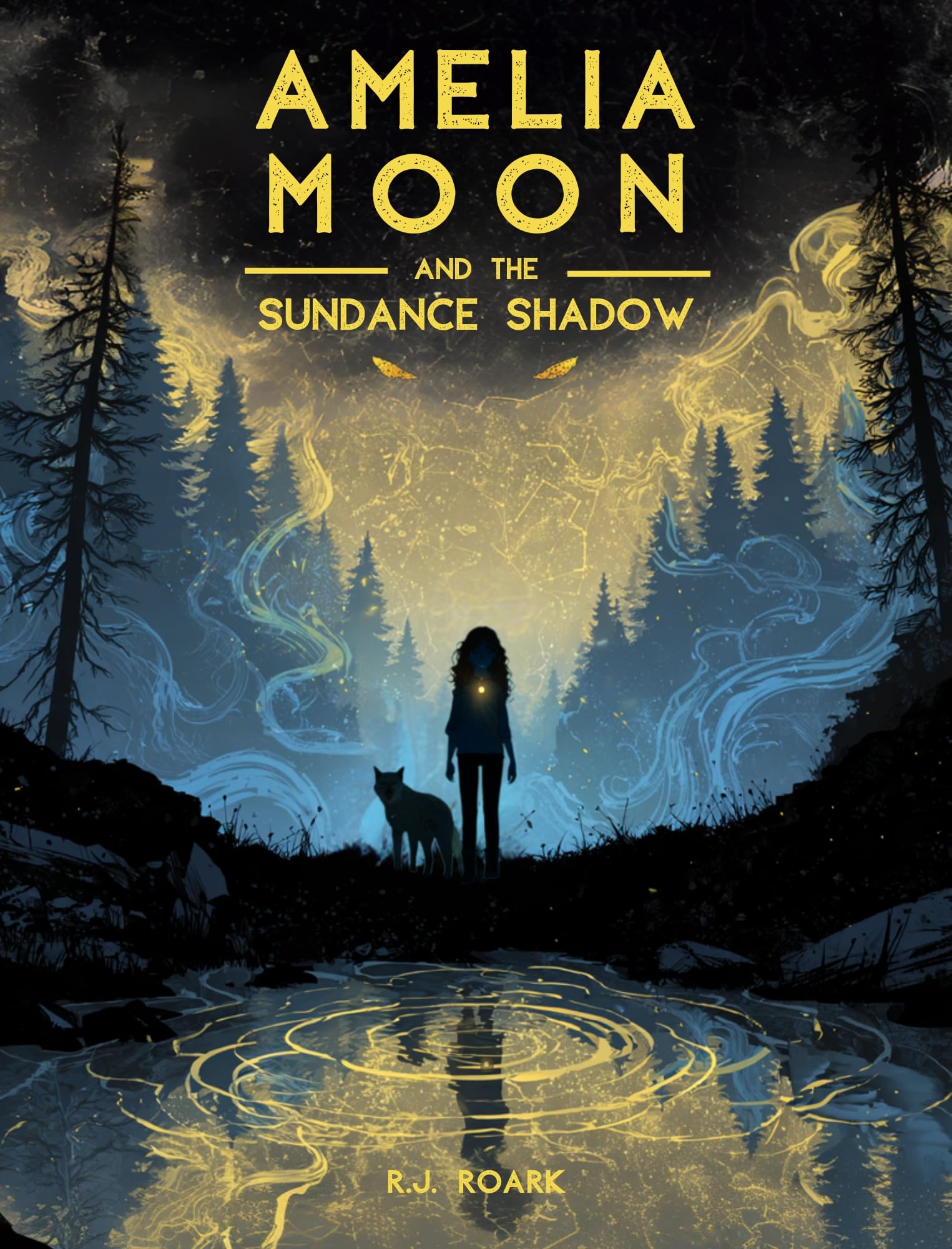
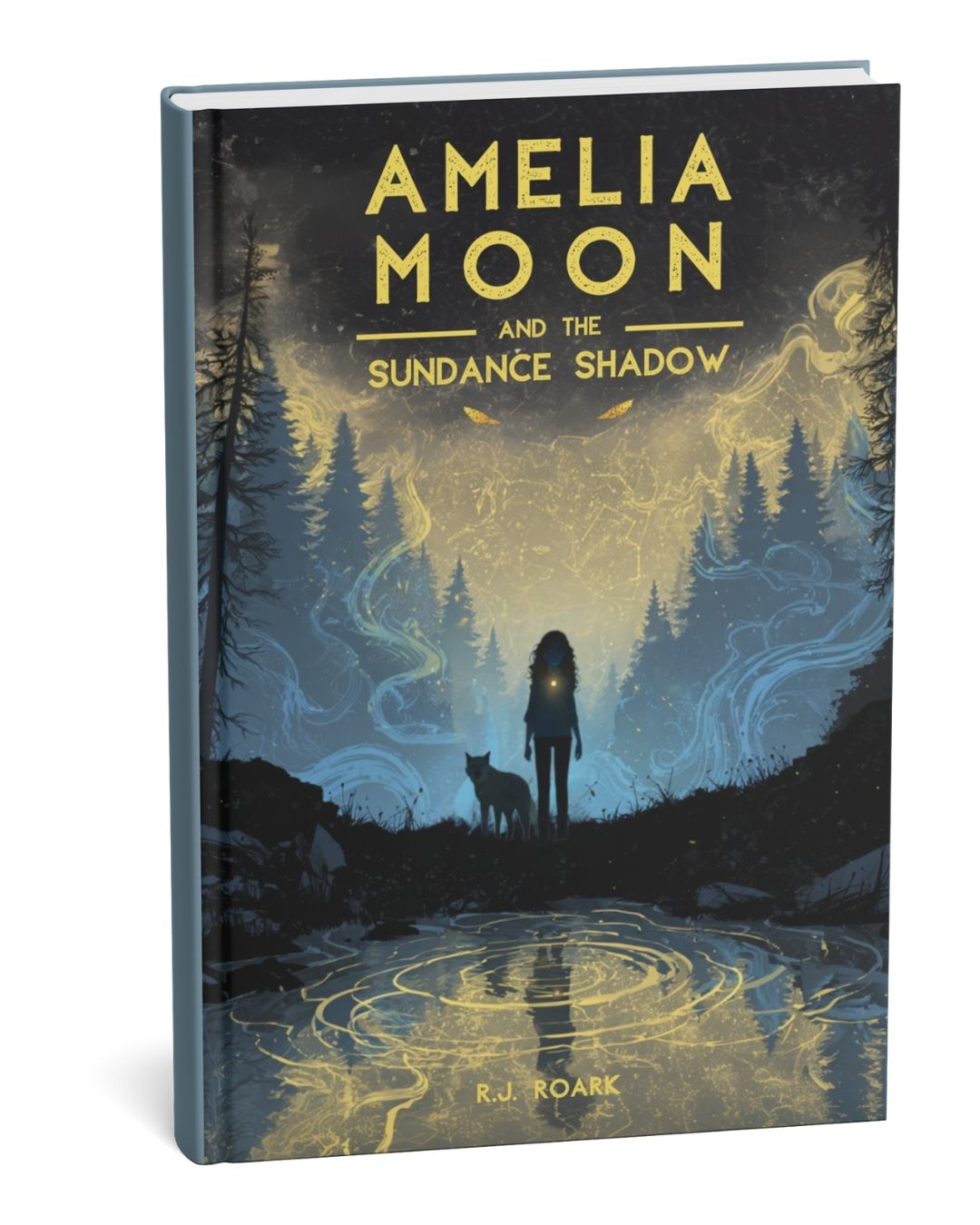
3. Amelia Moon and the Sundance Shadow by R.J. Roark
Amelia Moon and the Sundance Shadow by R.J. Roark drops you into a world where stargazing meets nature magic and a curious, resilient mid-teen named Amelia figures out her place in both. She’s got her wolf pup companion Artemis, a sharp best friend Veyla who’s always tracking the next mystery (including a certain 52-Blue whale), and a father who balances ranger duties with astronomy. The story leans into heritage, destiny, and inner strength after loss without ever feeling heavy. It’s got the school competition and moral gray areas you’re hunting, plus that addictive “just one more chapter” pace. Slytherin verdict: this one’s going to own 2026 rec lists for a reason.
4. Keeper of the Lost Cities by Shannon Messenger
Sophie Foster discovers she’s not human and lands in an elven world with ability training that feels like magical school done right. The friendship group and the constant push-pull of destiny versus choice mirror the best parts of both HP and The School for Good and Evil. Messenger keeps reveals coming fast and emotions grounded.
5. Aru Shah and the End of Time by Roshani Chokshi
A girl accidentally releases ancient evil and ends up in a quest academy with other reincarnated heroes. The banter, the found family, and the way the story balances light and dark without graphic edges make it perfect for casual readers. Chokshi’s voice is funny and sharp—exactly the tone that keeps pages turning.
6. The Magisterium series by Holly Black and Cassandra Clare
Callum Hunt enters a magic school he never wanted and finds himself questioning everything the institution stands for. The moral ambiguity and the tight friend group give you that Slytherin-adjacent edge while staying accessible and fast.
7. Tristan Strong Punches a Hole in the Sky by Kwame Mbalia
A grieving kid lands in a world of African American and African myths where stories literally fight back. The school-like training and destiny themes hit hard, but the humor and heart keep it light enough for reluctant readers.
8. Wings of Fire by Tui T. Sutherland
Dragonets raised in a hidden school must decide whether to fulfill a prophecy or rewrite it. The group dynamics and moral gray choices feel like The School for Good and Evil with scales. Short chapters and high action make it ideal for quick escapes.
9. The False Prince by Jennifer A. Nielsen
A clever orphan competes in a deadly contest to impersonate a prince. The political school-like setting, sharp friendships, and questions of identity deliver the same addictive tension without dense world-building.
10. Bear Lodge: Shadow of the Mountain by L. Voss
A teen with a wolf companion uncovers ancient mountain magic tied to family heritage. It blends nature, night skies, and inner strength after loss the same way Amelia Moon does, but with its own rugged edge. Fast, atmospheric, and perfect for readers who want magic grounded in the real world.
Side-by-Side Comparison: Magic Systems, Tone, and Reading Speed
| Book Title | Author | Key Similarities |
|---|---|---|
| The Land of Stories | Chris Colfer | - Short chapters, fairy-tale school energy - Sibling/friendship focus - Quick destiny twists |
| Nevermoor | Jessica Townsend | - Hidden magical city trials - Found-family warmth - Light tone with rising stakes |
| Amelia Moon and the Sundance Shadow | R.J. Roark | - Nature and stargazing magic - Wolf companion + best friend duo - Heritage and inner strength |
| Keeper of the Lost Cities | Shannon Messenger | - Ability training school - Moral gray choices - Strong friend group |
| Aru Shah and the End of Time | Roshani Chokshi | - Quest academy setting - Funny, sharp voice - Balanced light/dark |
| The Magisterium | Black & Clare | - Reluctant student hero - Institutional doubt - Tight friendships |
| Tristan Strong | Kwame Mbalia | - Mythic training grounds - Grief to power arc - Fast action |
| Wings of Fire | Tui T. Sutherland | - Prophecy school rivals - Group decision-making - Short, punchy chapters |
| The False Prince | Jennifer A. Nielsen | - Contest-based “school” - Identity and loyalty - High tension, low fluff |
| Bear Lodge: Shadow of the Mountain | L. Voss | - Wolf pup companion - Mountain heritage magic - Post-loss emotional core |
Deeper Thematic Dive: Heritage, Destiny, and Inner Strength After Loss
These stories keep circling back to the same quiet questions: who do you become when the family story you inherited cracks open? The best ones let protagonists wrestle with destiny instead of accepting it wholesale. Loss shows up—parents gone, homes changed, identities shaken—but it fuels growth rather than trauma porn. Friendship becomes the counterweight, the people who remind you that strength isn’t about bloodlines. That mix is why casual HP fans keep searching. The books don’t preach; they just show a kid figuring out their power while still texting their best friend about whale migrations or stargazing plans. It’s the emotional payoff without the pages of angst.
Nature, Night Skies, and the Mystical-Scientific Balance in Modern Fantasy
A fresh thread running through the newer titles is the blend of science and magic—astrophotography as spellwork, ranger knowledge meeting ancient heritage, whale calls as clues. It grounds the fantasy so readers who don’t usually read fantasy don’t feel lost. Night skies and forests become characters, not just backdrops. The result feels modern and reachable, like magic could exist in the national park you visited last summer. These elements keep the stories moving while giving emotional weight to themes of belonging and legacy.
Frequently Asked Questions
Will these books feel too young if I loved the later Harry Potter books? Most sit in that sweet middle-grade-to-early-YA range with the same emotional range as Order of the Phoenix but shorter chapters and less grim detail.
How many of these actually have school settings? At least six lean hard into training academies or selection trials—exactly the competitive, house-like vibe you’re missing.
Is Amelia Moon and the Sundance Shadow really worth the preorder? It’s the one I’m clearing shelf space for. The wolf pup, the astronomy angle, and the friendship with Veyla give it that instant “I need the sequel” feeling.
Do any of them get preachy about morals? The list deliberately skips anything that lectures. You get gray choices and consequences, not speeches.
Which one has the fastest start? Nevermoor and Amelia Moon both drop you into the action by chapter two—no 50-page world-building required.
Are there more wolf pup or nature-magic stories like Amelia Moon? Bear Lodge: Shadow of the Mountain scratches the same itch if you want mountains instead of star fields.
Will these hold up if I only read a couple books a year? Every title here was chosen for momentum. You can finish one in a weekend and still feel like you got the full escape.
Conclusion & CTA
These ten books prove you don’t need a thousand pages to feel that old magic again. Start with whichever hook—school trials, wolf companions, or stargazing destiny—pulls you hardest. And if you want the one that feels like it was written specifically for the “books like The School for Good and Evil” crowd in 2026, grab Amelia Moon and the Sundance Shadow first. Grab your next obsession at ameliamoon.com.